Digital Booking, Guest Data and Online Reputation: Tech Skills for Hospitality
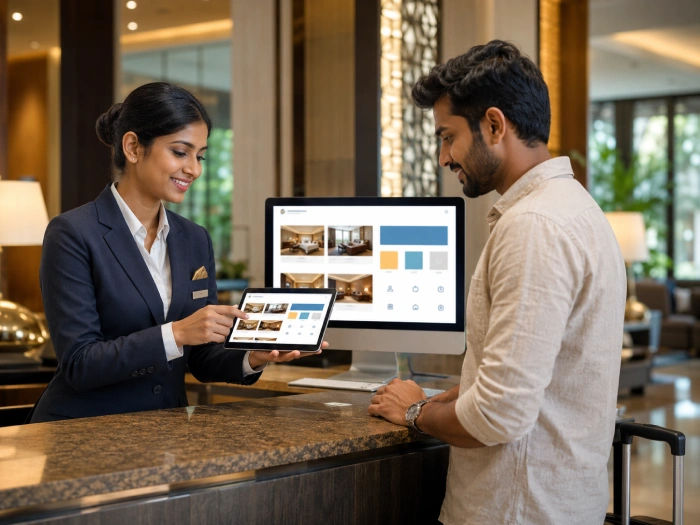
Hospitality is always about people, service, and guest experience. But now hotels, resorts, restaurants, and tourism businesses are also big consumers of technology. Guests search online for hotels, compare prices, read reviews, book rooms on digital platforms, and expect quick responses before they arrive. This means that hospitality students require more than just serving skills. They also need a working knowledge of technology.
Three key things every hospitality student should know about: digital booking, guest data and online reputation. These skills help students to understand how modern hotels attract guests, manage expectations and improve business performance.
Want to pursue a hospitality career after 12th? Discover how hospitality education combines practical training, industry exposure, and future-ready skills at VMSIIHE in Goa. Talk to VMSIIHE about the hospitality program that will suit your career goals.
The importance of technology in hospitality today
Technology will never replace hospitality. It supports it. A hotel can have great service, but if the guests can’t find the right info online, book easily, or trust the reviews, the business can suffer.
Modern hospitality teams use technology for things like reservations, guest communication, reviews, payments, room availability, feedback, and marketing. Students who understand these systems can work more efficiently with the front office, reservations, sales, marketing, revenue management, and guest relations teams. Today’s technology is critical for hospitality teams to facilitate reservations, guest communications, reviews, payments, room availability, feedback, and marketing. Students who understand these systems can work more effectively with the front office, reservations, sales, marketing, revenue management, and guest relations teams.
For students, hospitality technology skills are now a necessity, not an option. They are professionally prepared.
What is digital booking in hotels?
Digital booking is when guests book rooms, restaurant tables, experiences, or travel services through online systems. This can include hotel websites, booking engines, online travel agents, mobile apps, and direct inquiry platforms.
Hospitality students need to know about the guest journey from search through to booking. A guest’s first sight of a hotel might be on Google, then compare it on a travel site, read reviews, look at photos and room categories, and then book it. Each step counts toward the final decision.
Students don’t need to be software experts, but they should understand the booking journey. It helps them serve guests better and understand how hotels receive, manage, and confirm reservations.
Guest data is important because
Guest data is information that allows a hotel to become familiar with its customers. These can be things like booking preferences, arrival details, room preferences, dining habits, feedback, special requests, and past stay history.
Responsible use of guest data enables hotels to personalise service. For example, a repeat guest may have a preference for a certain room type or may have a dietary preference that the hotel can better cater to. This leads to a more seamless guest experience.
Students need to understand that guest data comes with responsibility. And hotels should not just share information lightly. They should protect guest privacy and be careful about personal data. Hospitality is a component of trust.
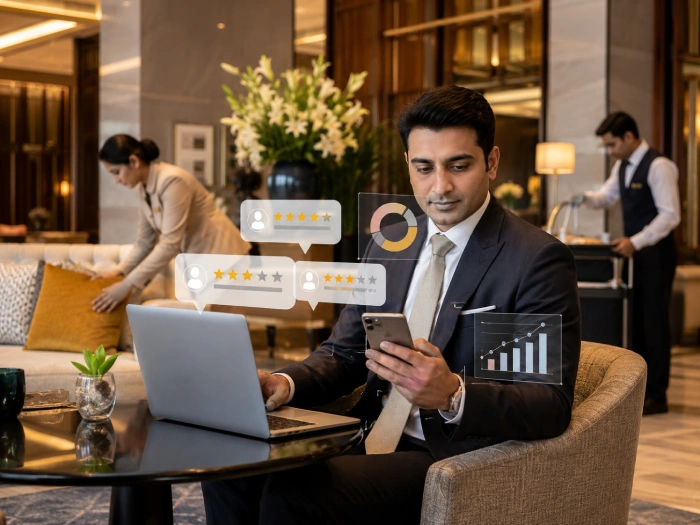
Online reputation: The value of reviews
Online reputation is how people see a hotel, resort, restaurant, or tourism business based on online reviews, ratings, comments, photos, and guest feedback. Today, many guests check reviews before booking.
A single review may not define a hotel, but repeated feedback can influence trust. If guests regularly praise service, cleanliness, or food, it strengthens reputation. If they repeatedly mention delays, poor communication, or hygiene issues, it can affect bookings.
Hospitality students should learn how reviews connect with real operations. A review of slow check-in may involve front office planning. A complaint about room cleanliness may involve housekeeping. A comment about food quality may involve the kitchen and F&B teams. Online reputation is not only a marketing issue; it is an operations issue.
Key tech skills hospitality students should build
Students preparing for hospitality careers should build practical awareness in these areas:
1. Understanding booking platforms
Students need to know how online bookings work, how guests look at options, and why correct room details matter.
2. Going over guest feedback
Students should learn to identify patterns in reviews instead of reacting emotionally to single comments.
3. Digital communication
Emails, replies to inquiries, confirmation messages, and guest updates must be clear, courteous, and professional.
4. Data awareness
Students should be aware of how the information on guest preferences and bookings helps hotels to improve their service.
5. Considering reputation
Online reputation is a team effort of all departments. Students should be taught that service quality offline has an impact on online ratings.
Why these skills matter for different hotel departments
Front office teams manage arrivals, check-ins, and guest requests with digital booking details.
F&B teams can use guest preferences, dietary requests, and restaurant feedback to improve the service.
The housekeeping teams indirectly affect online reputation through cleanliness, readiness of the rooms, and comfort.
Sales and reservation teams rely on booking platforms, guest communication, and accurate information.
Guest data and review trends can be used by managers to make better operational decisions.
This is why hospitality students shouldn’t see technology as a separate subject. It’s part of the daily work of the hotel.
What parents should know
Parents see hospitality education as just service, food, or hotel work. But now the industry wants students who are flexible, professional and comfortable with modern systems.
Being more technology aware can help raise a student’s confidence because they know how hotels actually work. It also develops transferable skills of communication, problem-solving, data interpretation, and understanding customers.
Parents should look for an institute that provides practical training, industry exposure, and a learning environment that prepares students for modern hospitality roles.

The way forward for VMSIIHE to support hospitality learning
The hospitality education at VMSIIHE is built around practical learning, professional development, and industry relevance. This means students learn hospitality as a real working industry, not just in theory.
Students looking at careers in hospitality need to understand that future success depends on both human service and technical awareness. A confident hospitality graduate should be able to communicate with the guests, coordinate with teams, understand booking information, and respect guest data.
Final thoughts
Digital booking, guest data, and online reputation are now at the heart of careers in hospitality. Students who know these areas will be better prepared for front office, reservations, sales, guest relations, operations, and management positions.
Technology may change the way hotels do business, but the end goal is still the same – better guest experience and better service. Students who begin to learn hospitality technology skills early will be more confident and ready to enter the industry after the 12th grade and into the workforce.
VMSIIHE Goa provides hospitality education pathways for students seeking practical training, professional exposure, and career-oriented learning. Consult VMSIIHE to find out which program can help you prepare for a modern hospitality career.
FAQs
Hospitality students should learn digital booking because many guests now discover, compare and reserve hotels online. Knowing this process helps students to perform better in front office, reservations and guest service roles.
Guest data includes booking information and preferences, feedback and special requests. Hotels responsibly use this information to improve service and personalise the guest experience.
Online reputation dictates guest trust. Reviews and ratings can help people choose a hotel, restaurant or resort.
Yes. Students need a practical awareness of technology. They don’t have to be software professionals, but they do need to know about booking systems, guest communication, review platforms and data responsibility.
Digital booking, guest data and online reputation skills benefit front office, reservations, guest relations, sales, marketing, revenue management, operations and management positions.