Preparing Students for Careers in Sustainable Tourism: Ethical Travel and Hospitality
Tourism is changing. Travellers are not only looking for hotels, sightseeing, and convenience. Today, many people care about local culture, environmental impact, authentic experiences, connection to the community, and responsible travel choices. The change is creating new opportunities for students who want to work in the hospitality and tourism industry.
Sustainable tourism careers are about balancing the guest experience with responsibility for destinations, communities, resources, and the environment. This is an important career option for students after 12th, as hotels, resorts, travel companies, and tourism businesses need professionals who understand service as well as sustainability.
If you want to get into hospitality or tourism education, VMSIIHE in Goa will help you explore career-focused learning in hospitality, tourism, and practical industry skills. Contact VMSIIHE about a program that can help you meet your career goals in responsible travel and hospitality

What is sustainable travel?
Sustainable tourism is tourism that takes into consideration its impact on the environment, local communities, visitors, and the tourism industry. It’s not just eco-friendly resorts or nature. It also includes responsible operations, respect for local culture, better use of resources, awareness of guests, and the long-term health of the destination.
For example, a resort might reduce waste, use local suppliers, train staff to educate guests on responsible behaviour, promote local experiences, or be conscious of water and energy usage. A tourism company can create tours that are friendly to the community and not overcrowded.
Why sustainable tourism matters for students
Hospitality students entering the field today will find themselves working in an industry that is paying more attention to responsible practices from guests, governments, hotels and travel companies. This means that future professionals need to integrate sustainability into their understanding of hospitality operations, rather than talking about it as a separate subject.
A student who understands sustainable tourism can help create better guest experiences, smarter operations and a stronger reputation for a destination. This is useful in hotels, resorts, restaurants, travel planning, events, destination management and tourism entrepreneurship.
For parents, this also shows that hospitality and tourism careers are becoming more skill-based and future-focused.
Career paths connected to sustainable tourism
Sustainable tourism is not just a single profession. It can be related to many career paths, such as:
- Hotel and resort operations
- Guest experience management
- Destination management
- Wedding & Event Hospitality
- Food & Drink Operations
- Community-based tourism
- Management of eco-resort
- Sales and marketing in hospitality
- Tourism entrepreneurship
Students may begin in operational roles and gradually move toward planning, guest experience, sustainability coordination or management positions as they gain experience.
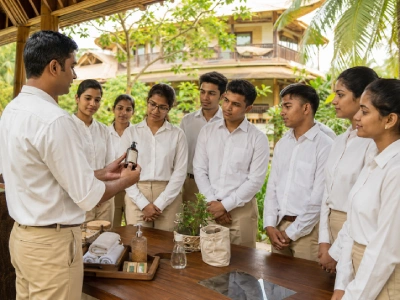
Qualities of a student for responsible travel jobs
1. Know what guests want
Modern travellers might be curious about local food, cultural experiences, responsible activities, nature-based stays or low-impact travel options. Hospitality students need to learn how to assess these expectations and act professionally.
2. Local cultural awareness
Responsible tourism depends on the respect of local communities. Students need to be aware of the culture of the destination, local customs, food, festivals, language sensitivity and guest behaviour.
3. Communication skills
Students may have to inform guests about hotel rules, tips for responsible travelling, how to reduce waste or options for local experiences. It is important to communicate politely and clearly.
4. Operations knowledge
Sustainability is part of the daily business. Waste management, energy use, water use, housekeeping practices, food sourcing and guest transport can all affect responsible hospitality.
5. Problem-solving ability
Tourism companies should make responsible decisions without compromising the comfort of their guests. Students are required to solve practical problems without reducing the quality of service.
6. Cooperation
The result of good hospitality is well-oiled coordination between the front office, housekeeping, F&B, kitchen, events, management, and external partners.
How hotels and resorts implement sustainable tourism thinking
There are many ways that hotels and resorts can put sustainable tourism into practice. They might reduce single-use materials, tackle food waste, use local ingredients, promote responsible guest behaviour, engage with local communities, or offer experiences around culture and nature.
Students must realize these gestures are not simply for show. They can improve guest trust, cut down on waste, help local businesses, and protect the value of the destination.
Responsible hospitality is important in a tourism-dependent place like Goa, as the destination is part of the guest experience. Beaches, villages, food, culture, nature, and the life of the community affect the way visitors remember their stay.
Why Teaching Service and Responsibility to Tourism Students is Important
Tourism isn’t just about booking packages or planning itineraries. Students need to understand the impact of travel on people and places. A good tourism professional knows how to create enjoyable experiences, but at the same time how to respect local realities.
This is particularly relevant to students interested in destination management, resort experiences, travel operations, events or hospitality entrepreneurship. They can think more about the experiences they are creating for guests, being mindful of responsible travel.
At VMSIIHE, students experience hospitality and tourism education in a professional learning environment with industry awareness, practical learning and career direction. This foundation enables students to see how service, operations and responsibility fit together.
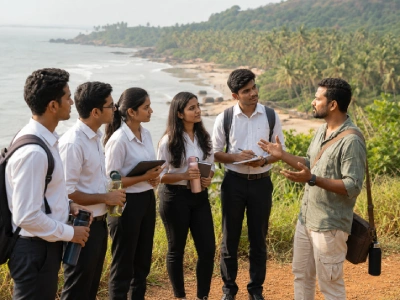
What parents should understand
Parents want to know whether tourism and hospitality careers have longevity. One reason why the tourism industry keeps changing is sustainable tourism. It means that future careers will need students who are not only service-oriented but also aware, adaptive, and responsible.
Parents should look for an institution that helps students develop communication skills. What parents should know is the industry is that these qualities can help students to work in different positions in hospitality and tourism.
How students can start preparing now
Students can start by reading about travel trends, observing hotel practices, learning about local culture, improving communication, and developing awareness of environmental and community issues.
They should also ask practical questions:
How do hotels reduce waste?
How do resorts support local experiences?
How can tourism help communities?
How can guests enjoy travel responsibly?
How can hospitality businesses balance comfort and sustainability?
These questions help students think like future professionals, not just visitors.
Final thoughts
Sustainable tourism careers are becoming important because the hospitality and travel industry needs people who can balance guest experience with responsibility. Students who understand culture, service, operations, communication, and sustainability can prepare for meaningful roles in hotels, resorts, travel companies, and tourism businesses.
For students serious about responsible travel and hospitality careers, VMSIIHE in Goa offers hospitality and tourism education pathways that support practical learning, professional development, and industry awareness. Speak to VMSIIHE to understand how the right program can help you build a future-ready career in hospitality and tourism.
FAQs
A sustainable tourism career involves working in hospitality, travel or tourism while supporting responsible practices related to communities, culture, resources, environment and guest experience.
Yes, it can be a good path for students interested in hospitality, travel, destinations, culture, guest experience and responsible business practices.
Students need communication, local culture awareness, guest service, operations knowledge, teamwork, problem-solving and responsible travel awareness.
Yes. Hotel management students can work in resorts, guest experience, operations, events, F&B, travel planning and tourism businesses where responsible practices are important.
Hospitality and tourism-focused programmes can help students understand hotel operations, guest service, destination awareness, management skills and responsible travel practices.