How Boutique Hotels Are Creating New Opportunities for Graduate
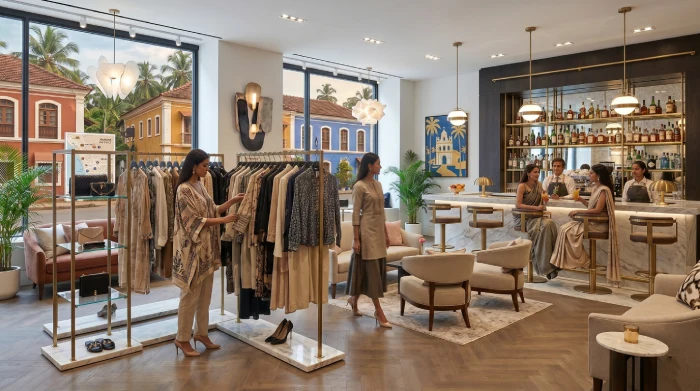
Two trends that are shaping the hospitality industry in 2026 are an increased focus on experience with guests, who are seeking something genuine and a greater interest in hotels that have a sense of identity. This is among the reasons why boutique and lifestyle hotels are still gaining traction in the world of the traveling market. According to the recent coverage of the industry, lifestyle properties have been commercially viable due to the willingness of guests to pay to be unique, local, and experience something memorable.
This change is important to graduates joining hospitality. Boutique hotels are not just miniature versions of conventional hotels. They tend to work with smaller crews, enhanced brand narratives, and more intimate service concepts. That will give graduates a chance to assume greater responsibility at an earlier stage of their careers and develop skills in operations, marketing, guest experience, and revenue strategy. Boutique hotels are providing career opportunities that are vibrant, innovative and progressive in a market whereby the value of authentic, local experiences is increasingly becoming important.
What is Special about Boutique Hotels?
A More Individualistic Hospitality Model.
The characteristics that characterize the boutique hotels are usually their uniqueness, design, and focus on the experience of the guest. They tend to compete through the creation of a sense of place as opposed to large standardized chains. Industry coverage is still demonstrating that the trend is growing among travelers to stay at hotels that share a story, are locally oriented, and provide a more intimate connection with the destination.
The reason this is important to employment.
Due to the emphasis that the experience over scale is one of the key aspects of a boutique hotel, the role of employees in the guest experience is frequently larger. A degree graduate of a boutique property might not have to serve in a single compressed role. Rather, they can receive exposure to front office, guest relations, social media, events, partnerships and service recovery within a significantly shorter time frame. Such setting can hasten the process of experience and professional trust.
Why Boutique Hotels Are Increasing in Value
Authentic and Local Experiences: Demand
Contemporary travellers are demanding more than bed and breakfast. They desire an experience of stay that is meaningful, local and memorable. A variety of hospitality trend reports on 2025 and 2026 indicate the increasing significance of authenticity, immersive storytelling, and experience-oriented travel. Boutique hotels are in good positions to react since their value is frequently based on personality, design, food, connection to the community, and storytelling about the location.
Excellent Commercial interest in Lifestyle Hospitality
Industry coverage also indicates that the coverage of the industry is still in the spotlight of investment, since in most cases the boutique and lifestyle property has been able to receive high rates and guest loyalty in the event that they are able to differentiate. Although the segment is changing, hotels of identity and emotion are still demanded. This topicality helps to create jobs and expand the scope of jobs that graduates of the hospitality sector are able to perform.
Graduates have New Career Opportunities
Guest Experience and Personalization Roles
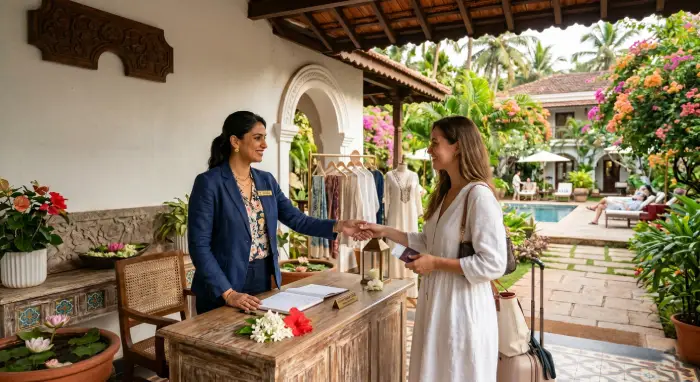
A guest experience is one of the brightest prospects for graduates. Boutique hotels rely on attentive service, responsive problem-solving, and personalized communication. With the concept of personalization emerging as a form of hospitality, graduates with the ability to learn the preferences of guests and provide them with memorable experiences will be very valuable. These positions extend their traditional reception duties and are frequently accompanied by concierge-type service, itinerary assistance and experience curation.
Brand Roles, Storytelling, and Marketing
Brand identity is very important to Boutique hotels. They can succeed mostly on their ability to convey their story, design philosophy, destination connection and promise to their guests. The present-day hospitality analysis defines storytelling as an actual revenue generator, not a branding activity. This opens opportunities to digital-marketing graduates, social media, partnerships, content-creation, and direct-booking-strategy graduates.
Revenue, Distribution, and Commercial Roles
Small and independent hotels need to be business savvy to remain competitive. In recent news about the profitability of small-hotels, it is emphasized that smart pricing, direct bookings, simplified management systems, and local marketing are crucial. Consequently, graduates are not only getting opportunities in service jobs but in revenue coordination, online distribution, sales support and commercial planning.
Experience-led, Food, Beverage Operations
Food and beverage, local events, and curated experiences are some of the common ways in which a hotel sets itself apart in a boutique hotel. This creates room for graduates who are inclined to restaurant operation, event management, destination meals, health promotion, and cultural engagement. Instead of being employed in the most focused departments, graduates can get involved in experience design in multiple guest touchpoints.
The reasons why Boutique Hotels are attractive to Young Graduates
Quick Learner Among Departments
Cross-functional exposure is one of the key benefits of beginning with a boutique hotel. In a big hotel, tasks tend to be more formalized and specialized. In a small property, graduates can work in any of the departments, learn about the business in a more holistic way, and observe in real-time how service and marketing interrelate with operations and revenue. Hospitality operations practitioners observe that the success of hotels is based on the ability to coordinate numerous teams, which in small hotels can be more visible to novice professionals.
Increased Room for Creativity
Boutique hospitality appreciates uniqueness. This frequently provides graduates with a greater area to contribute ideas in visitor engagement, neighbourhood ventures, content, occasions, and innovative services. Boutique hotels may be particularly appealing to young professionals who desire a career that is more business-oriented, people-focused, design-conscious, and culturally aware.
Skills that Graduates should have to succeed
Adaptability and Communication
Boutique hotels typically require their team members to be able to move between duties, communicate effectively, and interact with guests confidently. Emotional intelligence and attention to detail are necessary as the service model is more personalized.
Online and Business Sensibility
The graduates should also be knowledgeable of the current hospitality tools. Automation in marketing, direct booking policies, communication systems with the guests and pricing systems are gaining relevance in the industry. The growth of the hospitality is more connected to the intelligent application of technology and human service in 2026.
Local Knowledge and Cultural
Destination value properties employ staff who are familiar with the local culture, cuisine, tales, and social ties. This transforms regional knowledge into a genuine professional asset, particularly in places where travellers are looking to explore a closer feel of the place.
The Implication of this on Hospitality Education
A broader Career Perspective
To students, the existence of boutique hotels demonstrates that hospitality education is not confined to the traditional hotel hierarchies. A graduate is now able to advance to guest experience, hotel marketing, partnerships, experience design, revenue support or boutique operations management. This renders hospitality education more dynamic and adaptable to industry changes.
Industry-ready Learning Matters
This is also an indication that hospitality institutions should equip students with a more dynamic industry. Graduates are now expected to be confident in their ability to communicate, be creative, brand, personalize services and think about business, besides being equipped with operational skills. Boutique hospitality promotes those professionals who are flexible and integrate practical knowledge.
Conclusion
Graduates are finding new prospects in tiny hotels as they are what the new hospitality is turning into: more personal, more local, more design-focused, and more experience-oriented. These properties will be valuable spaces where innovation and employment can take place, as travellers will keep exploring places that are authentic and memorable to stay.
This is positive for the graduates. Boutique hotels offer more than entry-level jobs. They provide careers with high learning content, and young professionals can develop wide skills, play a contributing role and grow as the business expands. That makes the next generation of industry talent one of the most interesting avenues in 2026 with the help of the boutique hospitality.
FAQs
A boutique hotel is usually a smaller property with a distinct identity, personalized service, and a strong connection to design or local culture.
They often need flexible teams and offer exposure to guest experience, marketing, events, operations, and commercial roles earlier in a graduate’s career.
Not always better, but often different. Boutique hotels can offer broader exposure and faster learning, while large hotels may offer more structured career paths.
Communication, adaptability, guest service, storytelling, digital awareness, and local cultural knowledge are especially valuable.
Yes. Boutique hotels offer pathways into operations, guest experience, marketing, food and beverage, revenue, and leadership roles as the segment continues to evolve.