Choose the Right Hospitality Course After 12th: Front Office or Tourism?
Opting for hospitality after 12th is a good first step, but selecting the right specialization brings clarity. Many students know they want to get into hotel management but are unsure if they are more suited to front office, food and beverage service, culinary arts, housekeeping, tourism, or hotel operations. In short, pick a hospitality specialization that suits your personality, interests, practical strengths, communication skills, and the kind of work environment you want to be in. Hospitality is not a single career. This includes guest interaction, food production, restaurant service, travel planning, and resort operations.
Thinking about your next step after 12th? VMSIIHE in Goa can help you explore hospitality, culinary, and tourism education paths that align with your career aspirations. Students can explore hospitality and culinary pathways, while parents can inquire about course structure, practical training, and career direction.

What does hospitality specialization mean?
A hospitality specialization is the specific area of the industry you decide to concentrate on in your education and career. Some students like to discuss and solve problems with guests. Others like to be creative in the kitchen. Some are strong on details, hygiene, planning, or operations.
Choosing a specialization doesn’t mean you’ll be stuck with a career forever. It gives you early direction. A good hospitality education allows students the opportunity to work in different departments to see what works for them before committing to a long-term career path.
Front Office: For students who enjoy communication
The front office is frequently called the face of the hotel. This includes guest greeting, check-in, reservations, guest inquiries, billing coordination and first-level problem solving. This path is ideal for students who are confident, polite, organised and feel at home meeting people from different backgrounds.
Parents should understand that the front office is not just reception work. It builds communication, confidence, service judgment, and hotel operations awareness.
Food and Beverage Service: For students who enjoy restaurant operations
Food and beverage service includes restaurant operations, menu knowledge, guest service, banquet coordination, bar service, and event dining. This speciality will be in demand among students who like active work, communication with people, and the restaurant environment.
This area can help in future roles in restaurant management, banquet operations, resort dining and hospitality entrepreneurship. Students taking this track should be prepared to learn service etiquette, product knowledge, teamwork, and guest handling.
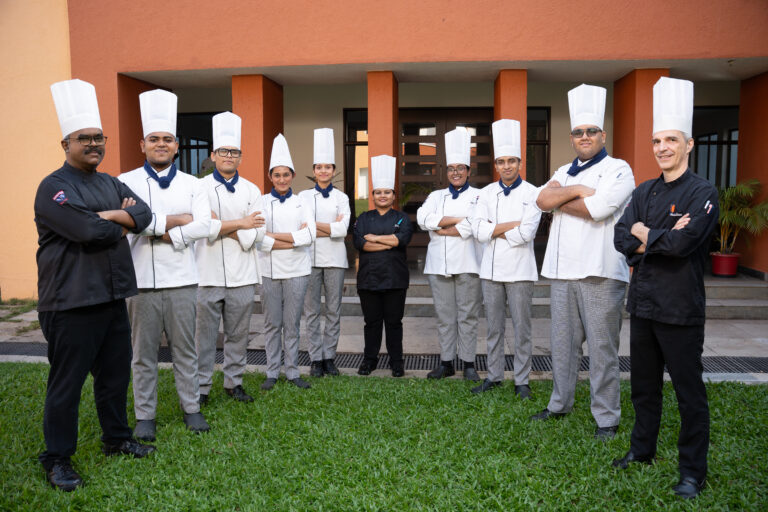
Culinary Arts: For students who enjoy food and kitchen discipline
Culinary arts is a good field of study for students who are serious about a career in cooking, and not just a hobby. Working in the culinary field requires creativity, stamina, discipline, cleanliness, teamwork, and consistency.
The pathway could be for students interested in food production, baking, world cuisines, plating, kitchen management, or entrepreneurship. Parents should know that culinary education is not just about recipes. It also includes food science, hygiene, planning, and cost awareness.
Housekeeping: For students who are detail-oriented
Housekeeping is often misunderstood, but it is one of the most important departments in hotel operations. It’s about room readiness, standards of cleanliness, coordination of laundry, inventory, guest comfort, hygiene, and supervision of the team.
This is an area where students can grow if they are disciplined, detail-oriented, and good at keeping standards. Housekeeping management trains you to plan, inspect, control resources and lead.
Tourism and Travel: For students interested in destinations and experiences
Tourism is a good match for students who enjoy travel, culture, destination knowledge, itinerary planning, and visitor experience. This route can connect with resorts, tour operators, destination management, travel operations, and sustainable tourism.
Students entering into tourism must learn communication, awareness of geography, planning, knowledge of digital booking, and customer service skills.
How should students choose the right specialization?
Students should ask practical questions before they decide:
Which environment do I most look forward to? Hotel lobby, restaurant, kitchen, guest room operations, resort, travel desk, or event space?
Do I like being in direct contact with guests or coordinating behind the scenes?
More creative, analytical, organised, service-oriented, or operational?
Can I cope with pressure, long hours, and teamwork?
There is no “best” specialization for all. The right choice is the one that matches your skills, temperament, and career goals.

Quick comparison for students and parents
The front office deals with communication and problem-solving.
F&B service is suitable for restaurants, events, and active guest service.
Culinary arts involve professional cooking and food production.
Housekeeping is discipline, detail, and hotel operations.
Tourism is good for travel, destinations, and experience planning.
Why practical exposure matters before choosing
More often than not, students know their real strengths only after practical exposure. A student might come into hospitality thinking only of culinary arts and then find interest in hotel operations. Another student might start with the ambition of working in the front office, but then decide that guest relations, events or tourism is more their thing.
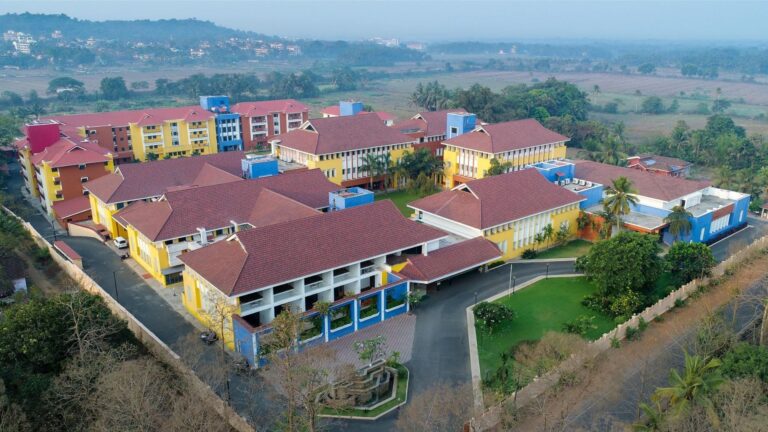
This is why students have to search for an institute which provides practical training, professional learning spaces, industry exposure and structured guidance. VMSIIHE enables students to explore the field of hospitality and culinary education in a professional environment that teaches them how the industry operates beyond the pages of textbooks.
What parents should consider
Parents generally want clarity on job stability, professionalism and future growth.” Parents should not just ask “Which course is popular?” but check on practical training, exposure to hotel operations, student support and career guidance.
Final thoughts
Don’t choose the right hospitality specialisation after 12th in a rush. Students should have an understanding of each department, compare their strengths and decide on a route which they feel is realistic, practical and career-oriented.
For students aspiring to pursue a career in hospitality, VMSIIHE in Goa offers hospitality, culinary and tourism education pathways, which can help them take the next step with clarity. Talk with VMSIIHE to find out which program best fits your interests, strengths and career goals.
FAQs
The best specialisation depends on the strengths of the student. Front office suits communication. Culinary suits food production. F&B suits restaurant service. Housekeeping suits the operation. Tourism suits a travel career.
Yes. Culinary arts focus on cooking and kitchen skills. Hotel management is broader and includes front office, F&B, housekeeping, events and operations.
Parents should review course structure, practical training, industry exposure, learning environment, student support and career guidance.
Yes. Many hospitality professionals start in one department and later move into another area based on experience and interests. Skills gained in hospitality often transfer across departments, allowing career growth and flexibility.
Yes. Quality hospitality programmes include practical sessions, industry exposure, internships, training kitchens, service labs, and hotel operations experience to help students develop real-world skills alongside classroom learning.